
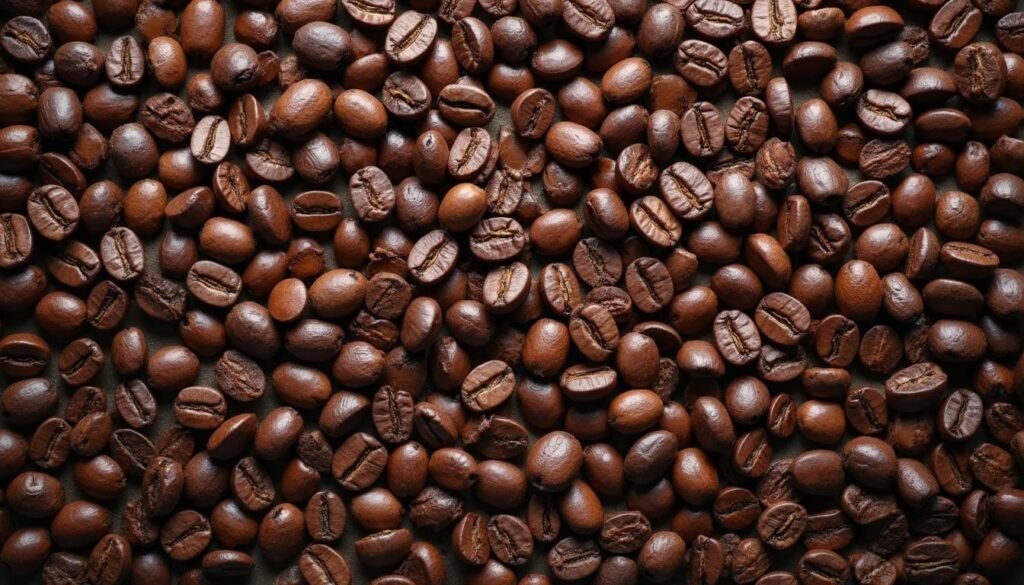
In Medellín, coffee is not a drink — it is a schedule. There is tinto on every corner at six in the morning, a second round at the office by ten, and by four in the afternoon someone will suggest «un cafecito» to stretch the conversation. What almost nobody asks is where that coffee came from, who roasted it, and why it tastes different depending on the bar you walk into.
The city is the gateway to one of the world’s most celebrated coffee traditions, and at the same time the place where specialty coffee found a loyal audience: small roasters, filter bars and open cuppings that went from curiosity to daily habit in under a decade. This guide is practical: how to recognise specialty coffee, how to taste it properly, and what to do with that knowledge the next time you order a cup.
What makes a coffee «specialty»
The word is not a marketing adjective. The definition most widely accepted in the industry is a score: specialty coffee is coffee that earns 80 points or more out of 100 on the cupping form of the Specialty Coffee Association (SCA), the body created in 2017 by the merger of its American and European counterparts, which sets standards for green-bean defects, water quality and brew strength.
That score is not achieved in the cup; it is built along the whole chain — the right variety for the altitude, careful processing at the farm, a recent roast, a recipe respected at the bar. When one link fails, the score drops, and you notice it on the first sip even if you cannot explain why.
Three signals to spot it without being an expert:
- A visible roast date. Specialty coffee is sold with a date, not a promise; buy what you can drink in a few weeks.
- An identifiable origin. Farm, village, municipality, altitude. If the label only says «Colombian coffee», there is no traceability to tell.
- A menu with criteria. Process, variety and tasting notes described: a bar that explains what it serves knows what it serves.
Where the coffee you drink in Medellín actually comes from
The National Federation of Coffee Growers, founded in 1927, modernised cultivation and organised the trade of the bean across the country. And Colombia does not produce one coffee: it produces many, at different altitudes, with results that taste nothing alike.
The southwest of Antioquia — Jardín, Jericó, Andes, Ciudad Bolívar, Támesis, among others — is the coffee belt closest to Medellín: two to four hours by road depending on the town, with farms that welcome visitors. It is the shortest trip you can take from here to understand the full chain: the tree, the wet mill, the drying beds, the cup.
Further south lies the Coffee Cultural Landscape of Colombia, declared a UNESCO World Heritage Site on 25 June 2011 across coffee-growing areas of Caldas, Quindío, Risaralda and Valle del Cauca: a model of hillside farming on small family plots, which sustains the idea that specialty coffee starts with whoever plants it.
When a menu mentions variety and process, this is what it means. Varieties: Castillo and Caturra are the productive backbone of the country; Colombia, Bourbon and Geisha appear in higher-value lots with more delicate profiles. Processes: washed (clean, bright acidity — the Colombian classic), natural (dried with the whole cherry, more sweetness and fruit) and honey (a middle point, with part of the mucilage left on the bean). None is better than another: they are flavour decisions.
How to taste coffee at origin in five steps
A cupping session does not require a laboratory. The formal SCA protocol exists to grade lots and compare tasters; the home version is good enough for what matters: comparing two coffees and deciding which you like and how to brew it better. A kitchen scale, filtered water and two cups are all you need.
1. Start with aroma, long before the first sip
Grind the coffee and smell it dry: panela, red fruit, cacao, citrus. Then pour hot water over the grounds and smell again. The difference between dry and wet coffee is the best preview of what is coming in the cup.
2. Respect the ratio, the grind and the water temperature
The practical reference for filter methods is 1 gram of coffee per 15 to 17 grams of water, a medium grind and water between 90 and 96°C — just below boiling. If the cup tastes thin, increase the dose; if it tastes bitter and harsh, lower the temperature or shorten the extraction. Almost every problem with a home brew is the recipe, not the bean.
3. Taste the same cup at different temperatures
Acidity reads stronger when the coffee is hot and sweetness appears as it cools. Let it rest five minutes and taste again: that is how you tell whether a coffee is simply acidic or has real structure behind it.
4. Name what you taste before you rate it
«Ripe fruit, light body, short finish» is more useful than «I liked it». The vocabulary of the trade — acidity, body, sweetness, aftertaste, clarity — exists precisely to put words to what your palate already noticed.
5. Write it down and compare again
Palate memory is fragile. Note origin, process and method for every coffee you try; by the third or fourth note you start recognising patterns and knowing what you genuinely like.
Where to drink it in Medellín — and how to order
The local scene fits into a handful of blocks. Provenza and Manila, in El Poblado, are the most walkable since most boutique hotels sit here; Laureles and Ciudad del Río add their own coffee houses, and at producer fairs you find lots that rarely reach a display shelf. Many bars run open cuppings: it is always worth asking when the next one is.
A note on vocabulary: in Medellín a «tinto» is a small black coffee, the social drink par excellence, and a «perico» is its small milky version. If you are after a single-origin lot, what you want to order is a filter or method: V60, Chemex, AeroPress or cold brew. Asking about variety and process is not eccentricity — it is normal at any specialty bar in the city.
Coffee plus culture: four verified plans this season
If you are going to spend an afternoon on coffee, pair it with the city. These plans are current as of 27 September 2026.
Heritage Month — until 30 September
Walks, talks and exhibitions on Medellín’s memory, organised by the city government. It closes on Wednesday 30 September: the nearest deadline of the week.
«Débora Arango. Mirar sin miedo» — 25 September to 25 October
An immersive, interactive experience on the fifth floor of the Museum of Modern Art of Medellín (MAMM), with shows every 45 minutes, a ticket separate from general admission and recommended for ages 12 and over. A good plan after coffee.
MAMM workshops and curator tours — 5 to 9 October
The October programme includes «Universos creativos», holiday workshops with advance registration — light, clay, graphite and colour — plus two free gatherings: «En voz alta», a reading with Colombian writers on 7 October, and «Curar la materia», a tour with the museum’s curators on 9 October.
Altavoz International Festival, 23rd edition — 10 to 12 October
The city’s largest public festival returns with free admission and 59 acts — 28 from Medellín, 15 national and 16 international — across Estadio Cincuentenario, Parque Norte and a participatory-budget stage. A whole weekend of music with no ticket or booking.
Coffee, kitchen and hospitality at La Doble Ele
Our food and bar approach starts from a simple rule: local ingredients, identifiable producers and a menu that tells you where each thing comes from. It is the same question worth asking of a cup, and it is why specialty coffee interests us as culture: it is the edible version of traceability.
That makes for a good stay: breakfast at the hotel, a walk through Provenza and Manila to two or three specialty bars, an experiences, neighbourhood and design plan for the afternoon, and back to the five lofts — Alma, Ritmo, Tejido, Raíz and Luna.
Getting here and why to book direct
We are at Cra. 36 #10a-35 in El Poblado, a few minutes on foot from Provenza and well connected to the metro and the rest of the city. On the location and contact page you will find directions and a direct phone number. For more ideas on how to move through the city, see our guide to what to do in El Poblado beyond the nightlife.
Booking direct closes the circle: with no platform commission, the value of your stay stays in the city and leaves us room to invest in the building and in the experience you take home. Pick your dates and book direct here. You are coming to inhabit Medellín, not to occupy a room.