
El Poblado has a reputation for expensive food. It is not entirely fair. The three blocks around Parque Lleras do hold the city’s most heavily advertised menus, but the neighbourhood is all of comuna 14: 1940s and 1950s houses turned into kitchens, dining corridors you can walk between, and a price range that runs from the set lunch to the tasting menu without breaking.
Eating well here is less about a list of restaurants than about timing: what is eaten at seven in the morning, at eleven, at one in the afternoon, and how the day ends. This guide walks through a full day in El Poblado, with verifiable details and four plans running in October 2026 so that the table also comes with a little city around it.
Breakfast: the most paisa meal of the day
In Colombia breakfast is not a formality. In Medellín, even less so. The traditional paisa breakfast is served between 7:00 and 9:00 a.m. and follows a simple logic: fuel for a day that starts early. The table brings calentao (reheated beans with hogao), corn arepa with quesito, scrambled eggs with tomato and onion, hot chocolate with cheese and, in the most generous versions, tamal or a basket of bakery bread.
For visitors there is a practical note: breakfast is the meal where your budget stretches furthest. A full breakfast in El Poblado costs a fraction of what the same amount of food will cost at nine at night.
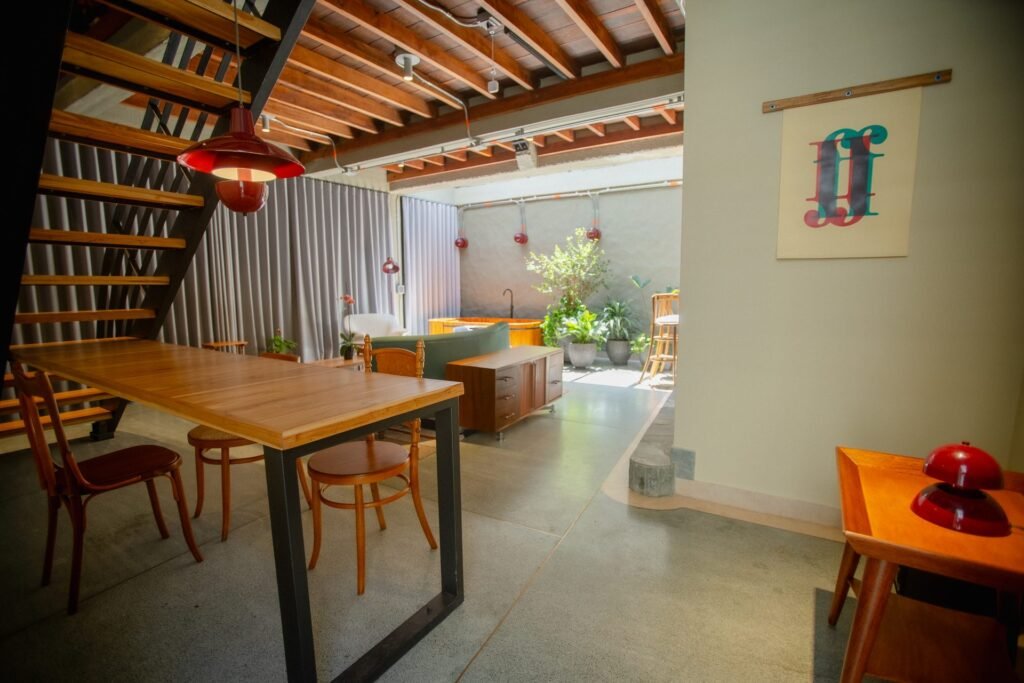
At La Doble Ele breakfast is included for guests and is served within the house’s own culinary approach, built on local ingredients and regional producers. You can see how that kitchen works on our Bar & Restaurant page, which also lists the in-suite menu we prepare for guests: fresh breakfasts, healthy options and light dishes available all day.
Mid-morning: coffee as a pause, not a transaction
Between ten and eleven in the morning Medellín takes a break that appears on no calendar. It is coffee time, and in El Poblado that break has a particular quality: small coffee bars, tables by the window, and a brewing culture that is no longer purely domestic.
Colombian coffee is judged by score: specialty coffee is anything above 80 points out of 100 on the Specialty Coffee Association scale, and much of the bean served in the city comes from south-west Antioquia, inside the Coffee Cultural Landscape declared a Unesco World Heritage Site in 2011. We go through it step by step in our guide to specialty coffee in Medellín.
Lunch: the set menu and market cooking
Lunch rush in El Poblado runs from 12:00 to 2:00 p.m. If you want to understand how the city eats, eat the way the city eats: with the menú del día, the set lunch Colombians call corrientazo, which includes soup, a main plate, juice and sometimes dessert at a fixed price. It is the best value of the whole day and it changes with what is available at the market.
Traditional Antioquian cooking has its classics: bandeja paisa (beans, rice, beef, pork crackling, egg, avocado and arepa), ajiaco, sancocho, a bean casserole and fried fish with patacón. Two honest warnings: portions are large, and bandeja paisa is a dish to share or to earn with a long walk — not a light office lunch.
Afternoon: fruit, juice and market
If there is a moment when Medellín becomes genuinely tropical, it is the afternoon. The fruit on offer is the city’s best calling card: lulo, blackberry, soursop, passion fruit, granadilla, gulupa, tree tomato and mangosteen, depending on the season. The local format is juice, and here it pays to ask for it with water or with milk and to specify if you want it without added sugar: by default, many places sweeten more than a visitor expects.
The afternoon is also market time. Buying fruit where the neighbourhood buys it is a cheap way to eat well and to understand where the dishes you will taste at night come from. Tap water is drinkable in the city.
Night: author cooking, bars and the neighbourhood
At night El Poblado organises itself into corridors worth telling apart. Provenza and the Vía Primavera axis concentrate chef-driven kitchens, cocktail bars and terraces; Manila, a few blocks east, is the converted-house neighbourhood, with smaller tables and a calmer pace. The usual advice holds: between 7:30 and 8:30 p.m. tables are quiet; after 9:00 p.m. a louder neighbourhood starts.
At La Doble Ele the night starts downstairs, at Terraza & Cava, the chef-driven restaurant on the first floor: soft light, tropical greenery, dishes built on local ingredients and a short menu that changes. It is a good first night in Medellín before walking out into the neighbourhood, and also a good place to come back to when you no longer want to cross the city for dinner. The full approach is on our gastronomy page.
Four verified plans for October 2026
1. Medellín Gourmet, 29th edition (1 October to 2 November 2026). The city’s largest food festival returns with 150 participating restaurants across Medellín and eastern Antioquia. Each venue builds a menu for two at one of four prices: COP 89,000, 119,000, 159,000 and 209,000, all including drinks and coffee. The previous April–May edition sold 171,529 menus, served 343,058 diners and left close to COP 29.4 billion in the restaurant sector, according to organisers’ figures published by El Colombiano on 2 October 2026. Diners rate the restaurants on the festival page, so you can check the ranking before booking.
2. “Débora Arango en el Club Unión 1939: Volver a mirar” (30 September to 30 October 2026, free entry). A documentary revisit of the episode that shaped Medellín’s relationship with one of its most uncomfortable artists. It runs alongside the immersive experience “Débora Arango. Mirar sin miedo”, open on the fifth floor of MAMM from 25 September to 25 October 2026, with a separate ticket from the museum.
3. “En voz alta. Lectura con escritores colombianos” (7 October, free entry) and “Curar la materia. Recorrido especial” (9 October, free with prior registration). Two different formats at the Medellín Museum of Modern Art: a reading and a walkthrough with the curators of the exhibitions on view since 10 September 2026. MAMM is open 11:00 a.m. to 7:00 p.m.
4. Festival Internacional Altavoz, 23rd edition (10, 11 and 12 October 2026, free entry). The city’s biggest free festival, with local, national and international acts. A good way to end a food day with music instead of a long table conversation.
Five decisions for eating well in El Poblado
- Walk between corridors. Provenza, Vía Primavera and Manila are within walking distance, and midday traffic in El Poblado is dense: walking is often faster than moving the car two blocks.
- Set lunch at noon, reservation at night. There is almost always a table at lunch; on a Friday at nine at night there is not.
- Ask where the ingredient comes from. The cooking being done in Medellín leans on local producers, and that is the best question you can ask at the table.
- Adjust sweetness and heat. Ask for juices without added sugar and check the heat of the sauces: intensity varies a lot from kitchen to kitchen.
- Check the bill. The 10% tip is voluntary and usually suggested; confirm it has not been added twice and that a festival menu was charged at its published price.
Where to stay to eat well
Location is half the work. La Doble Ele sits at Cra. 36 #10a-35, between the dining corridors covered in this guide, with the restaurant and bar in the same building. You can see the five lofts — each one a different way of inhabiting the neighbourhood — on our Lofts page, and check what surrounds the house in Experiences, Neighborhood & Design. Exact directions and the phone number are on Location & Contact, and the Lifestyle Blog has more ideas for shaping the whole trip.
Booking direct avoids the margin that intermediary platforms take. You can do it through our direct booking; if you would like help mapping the food route for your stay, ask at reception — we know the tables in the neighbourhood.